
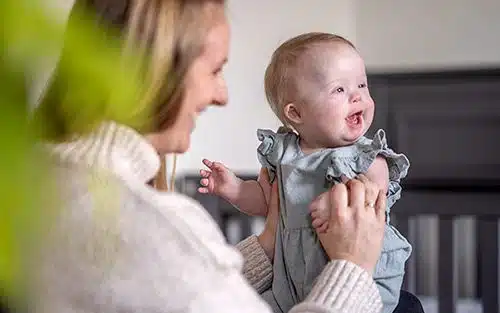
 Each year, World Down Syndrome Day is recognized on March 21. This global awareness day has been officially observed by the United Nations since 2012. The date was chosen as the 21st day of the 3rd month to signify the uniqueness of the triplication (trisomy) of the 21st chromosome, which causes Down syndrome.
World Down Syndrome Day seeks to raise awareness of the condition. Down syndrome is a genetic condition in which a baby is born with an extra chromosome, resulting in physical differences in their eyes, nose, and ears. As a result, children with Down syndrome may be smaller than their peers and have physical ailments in vision, hearing, and digestion.
Adopting and raising a child diagnosed with Down syndrome is a big decision. A child who joins your family through a Down syndrome adoption will require extra attention and care.
Many children diagnosed with Down syndrome are cherished and thrive in adoptive homes. Lifetime often hears from birth mothers who are happy that someone is ready and accepting to adopt their baby diagnosed with Down syndrome.
Table of Contents
- What to Consider When Pursuing a Down Syndrome Adoption
- Frequently Asked Questions About Down Syndrome Adoption
- Understanding the Costs & Financial Assistance for Down Syndrome Adoption
- Common Health Considerations & Early Intervention
- Education & Therapeutic Support: From Infancy Through School Age
- Raising a Down Syndrome Child: Additional Resources
- Helpful Tips for a Down Syndrome Adoption
What to Consider When Pursuing a Down Syndrome Adoption
If you decide to move forward with a Down syndrome adoption, you can still pour your love into this child and bond with them in a special way. Adopting and raising a child with Down syndrome comes with challenges, but it is also one of the biggest blessings. Keeping some of these helpful tips in mind will help make the process smoother.
Show your readiness
When pursuing a Down syndrome adoption, your home study is an opportunity to share not just your willingness, but your preparedness. Social workers want to understand why you feel called to adopt a child with Down syndrome and how you plan to meet their needs.
Families can demonstrate readiness by discussing what they’ve learned about Down syndrome, the supports they’ve researched, and how they plan to advocate for their child medically, educationally, and emotionally. Sharing conversations you’ve had with doctors, therapists, or other families raising children with Down syndrome can be helpful. It’s also important to speak honestly about your support system — including extended family, childcare plans, and community resources — and how you will seek help when needed.
Allow for an adjustment period.
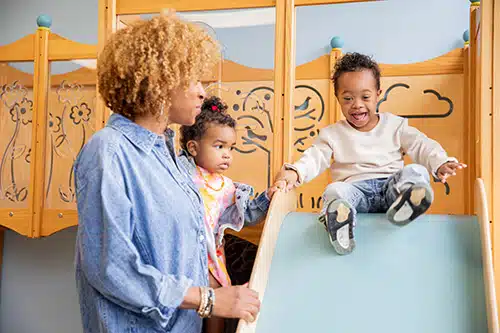
Once you bring your child home, there will be an adjustment period. Depending on the child and their medical situation, this could take months or sometimes longer.
Allow plenty of time to familiarize your child with your home, family dynamic, and routines or schedules. Children with special needs often process significant changes differently, and the adjustment period can be longer than you might expect.
Remember that you are both getting used to each other and that patience is key. Celebrate small victories and take things slow. Trust and love will grow by learning to express your love and gratitude for them in a way they understand.
Get insurance lined up.
Adopting and raising a child with Down syndrome often requires a lot of medical or therapy appointments. Before you bring your child home, make sure you get your insurance adjusted to cover your child.
Ask about issues that may arise with preexisting conditions, and determine what visits or procedures your insurance will cover. Knowing what insurance will pay for will give you peace of mind. As an adoptive parent in a medically complex adoption, you’ll want to make sure there are no unexpected, expensive surprises down the road.
Know that there will be some obstacles.
Parenting is hard work. Raising kids is difficult at times. And raising a child with medically complex needs can be even more challenging.
So give yourself grace. You will give much of yourself to raise your child, so remember that you will sometimes feel overwhelmed and stressed.
But always remember that your strength is more powerful than you think. Your love for your child and understanding of your child’s condition will always be the greatest motivator to get you through the daily struggles.
Become an expert on your child.
Doctors, therapists, friends, your mom, someone you meet at the park or an IEP meeting — there will always be people trying to give you advice. But only you are the expert on your child.
Parents of a child who joined their family through a Down syndrome adoption know their child is a unique, one-of-a-kind creation. The hours they spend interacting and caring for their child will make them the most knowledgeable about their quirks, personality, and specific medical situations.
Use your hard-earned knowledge to be an advocate for your child with Down syndrome.
Surround yourself with a trusted support system.
The old saying “it takes a village” is especially true for raising a child with Down syndrome. For single parents or those whose children have severe impairments, you’ll need to rely on other parents.
This support will be in addition to trusted family and friends. Your support group is made up of people who love you and your child, and they will likely be willing to help when needed.
Maybe it’s making dinner occasionally or offering to watch your child while you run errands. Asking for help and surrounding yourself with people that want the best for you and your child is vital for your well-being.
Frequently Asked Questions About Down Syndrome Adoption
Is it more expensive to adopt a baby with Down syndrome?
In most cases, adopting a baby with Down syndrome is not more expensive than a traditional domestic adoption. Agency fees and legal expenses are typically similar.
However, families should prepare for possible medical appointments, therapy services, and long-term support needs. The good news is that many children with Down syndrome qualify for financial assistance programs that can help offset these costs.
Do babies with Down syndrome always have serious medical problems?
Every child with Down syndrome is unique. Some babies are born with medical conditions such as heart differences, hearing or vision concerns, or thyroid issues. Others have minimal health complications. With today’s medical care and early intervention services, many children grow, learn, and thrive beyond what families initially expect.
How long does a Down syndrome adoption take?
The timeline for a Down syndrome adoption varies depending on your situation and agency. In some cases, families open to adopting a child with Down syndrome may experience a shorter wait time. Fewer families feel prepared to pursue special needs adoption, which can mean a ready and committed family matches more quickly.
Do children with Down syndrome qualify for financial assistance after adoption?
Many children with Down syndrome qualify for adoption assistance programs. Depending on your state, this may include monthly subsidies, Medicaid coverage, therapy support, or Supplemental Security Income (SSI). These programs exist to help families confidently meet their child’s medical and developmental needs.
What should we include in our home study if we want to adopt a child with Down syndrome?
Your home study is your opportunity to show thoughtful preparation. Share why you feel called to adopt a child with Down syndrome. Describe what you’ve learned about medical and developmental needs. Outline your support system and your plan for advocacy. Social workers look for realistic expectations, emotional readiness, and a lifelong commitment.
What therapies do children with Down syndrome typically need?
Many children benefit from early intervention services such as physical therapy, occupational therapy, and speech therapy. These supports often begin in infancy and adjust as the child grows. Early therapy helps children strengthen motor skills, build communication, and increase independence — all at their own pace.
Understanding the Costs & Financial Assistance for Down Syndrome Adoption
When considering adopting a baby with Down syndrome, families often wonder about the financial commitment. While there are additional considerations, meaningful support is also available.
Financial preparation is not about fear; it’s about wisdom. Families who research available benefits, speak with adoption professionals, and build a realistic long-term plan often feel more secure moving forward.
Adoption Costs
Most domestic adoption expenses remain similar whether you adopt a child with Down syndrome or pursue another domestic placement. These may include:
- Application and home study fees
- Agency and matching services
- Legal expenses
- Pregnancy-related expenses for the child’s birth mother (when applicable)
- Travel expenses
Being open to special needs adoption does not automatically mean higher agency fees. In some situations, financial assistance may even reduce overall out-of-pocket costs.
Medical & Therapy Considerations
Children with Down syndrome may need:
- Specialist appointments (such as cardiology or endocrinology)
- Hearing and vision monitoring
- Physical, occupational, or speech therapy
- Adaptive equipment or educational support
Health insurance often covers many medically necessary services. Medicaid, when available, can serve as secondary coverage to reduce out-of-pocket expenses. Planning ahead and reviewing your insurance benefits early can bring peace of mind.
Financial Assistance Programs That May Be Available
Many children with Down syndrome qualify as having special needs under state and federal guidelines. This designation can open doors to helpful support.
State Adoption Assistance Programs
Many states provide monthly subsidies for children adopted with special needs. These payments help families manage ongoing therapy, medical, and educational expenses.
Medicaid Coverage
Children adopted with special needs frequently qualify for Medicaid, either as primary or supplemental insurance.
Supplemental Security Income (SSI)
Depending on medical and financial eligibility, some children with Down syndrome qualify for SSI benefits.
Federal Adoption Tax Credit
Adoptive families may be eligible for the federal adoption tax credit, which can reimburse a significant portion of qualified adoption expenses.
Common Health Considerations & Early Intervention
Babies born with Down syndrome may have additional medical needs, though no two children are the same. Common health considerations include heart conditions, hearing or vision challenges, thyroid issues, low muscle tone, and digestive concerns. Many of these are treatable or manageable with regular medical care and monitoring.
Early intervention plays a key role in helping children thrive. Soon after birth, most children with Down syndrome qualify for early intervention services, which may include physical therapy, occupational therapy, and speech therapy. These supports help with movement, communication, feeding, and overall development. Starting therapy early can make a meaningful difference and help children build skills step by step, at their own pace.
Education & Therapeutic Support: From Infancy Through School Age
Support for a child with Down syndrome evolves as they grow. In infancy and toddlerhood, services usually focus on early intervention therapies provided in the home or community. These therapies support motor skills, communication, and social development during the most critical growth years.
As children enter preschool and school age, support often shifts to the educational setting. Many children receive an Individualized Education Program (IEP) that outlines learning goals and services, such as speech therapy, occupational therapy, or classroom accommodations. Some children learn in inclusive classrooms, while others benefit from specialized instruction, and many move between settings over time. Educational and therapeutic supports are designed to grow with the child and adapt to their changing needs.

Raising a Down Syndrome Child: Additional Resources
In addition to personal support, there are also some very helpful professional resources to tap into, including:
- National Down Syndrome Adoption Network: NDSAN’s mission is to ensure that every child born with Down syndrome has the opportunity to grow up in a loving family. To that end, their website offers detailed information about parenting a child with Down syndrome.
- Best Buddies. Your kids need friends and social interaction. This wonderful organization does a great job helping them develop those while also encouraging children’s communication and other independent living skills.
- Parent to Parent. This organization empowers and supports parents around the country. They connect parents and families with other parents and families with the same disability, creating space for people to get the emotional support they need.
- DDD (Division of Developmental Disabilities): A child born with Down syndrome may need speech and occupational therapy to develop fine and gross motor skills. The DDD is a person-centered system of community agencies that provide high-quality, outcome-based services. Check your state to see the requirements for enrollment.
Many children with Down syndrome will struggle with challenges through childhood and often throughout their lives. They require adoptive parents who provide them stability and structure, special care and professional help, patience and love, and the Lord’s guidance.
Helpful Tips for a Down Syndrome Adoption
Discernment & Calling
- Take time to pray and discern whether this is the adoption you’ve been called to pursue.
- Do not move forward simply because you hear of a child in need.
- Pray early and often so you remain in tune with the Lord’s leading.
Learning From Others
- Observe and talk with parents who are raising a child with Down syndrome.
- Visit online forums to read stories from adoptive families, both those experiencing joy and those facing challenges.
- Seek guidance by connecting with parents who have already walked this path.
Honest Self-Assessment
- Consider what level of medical, developmental, or behavioral needs your family can realistically handle.
- Avoid taking on more than you can manage out of guilt or compassion alone.
- Be prepared to make a lifelong commitment and to learn new skills as your child grows.
Education & Preparation
- Enroll in parenting or special-needs classes, either locally or online.
- Read books recommended by your adoption agency or home study provider.
- Research Down syndrome, current treatment approaches, and expert guidance.
- Look into medical resources, adaptive equipment, and specialized supplies.
Professional Support & the Adoption Process
- Finalize the adoption through a licensed agency, even if a child is identified by an attorney or facilitator.
- Apply for available financial assistance programs, such as state adoption assistance programs, when applicable.
- Stay connected with social workers and adoption professionals for guidance and ongoing support.
- If counseling is required or recommended, approach it with openness, knowing it is meant to support your family.
Commitment & Care
- Commit to providing patience, understanding, unconditional love, advocacy, and spiritual guidance.
- Embrace the journey with humility, flexibility, and a willingness to grow alongside your child.
Adopting a child with Down syndrome is a lifelong commitment filled with advocacy, patience, growth, and joy. With thoughtful planning and the right support, many families find they are far more capable than they first imagined.
If you have the opportunity for a Down syndrome adoption, surround yourself with positive people who have been down this road before. Get “me-time” when needed, and make positive memories with your child along the way. It will be well worth it!
Editor’s Note: This article was originally published on March 21, 2023, and has since been updated.
Founder of Lifetime Adoption, adoptive mom, adoption expert, and Certified Open Adoption Practitioner (C.O.A.P).
Since 1986, adoption expert Mardie Caldwell has been dedicated to bringing couples and birth parents together in order to fulfill their dreams.
“Many years ago, I was also searching for a child to adopt. We didn’t know where or how to get started. Through research, determination, and a prayer, our dream of a family became reality. I started with a plan, a notebook, assistance from a caring adoption consultant and a lot of hard work; this was my family I was building. We had a few heartaches along the way, but the pain of not having children was worse!
Within weeks we had three different birth mothers choose us. We were overwhelmed and delighted. Many unsettling events would take place before our adoption would be finalized, many months later. Little did I know that God was training and aligning me for the adoption work I now do today. It is my goal to share with our families the methods and plans which succeed and do not succeed. I believe adoption should be affordable and can be a wonderful “pregnancy” for the adoptive couple.
I have also been on both sides of infertility with the loss of seven pregnancies and then conceiving by new technology, giving birth to a healthy daughter. I have experienced first-hand the emotional pain of infertility and believe my experience allows me to serve your needs better.
It is my hope that for you, the prospective parents, your desire for a child will be fulfilled soon.”



I’m interested in adopting a little girl with down syndrome
Hi Joshua! You can learn more about Lifetime’s services by visiting our Hoping to Adopt section or by calling Lifetime Adoption at 1-727-493-0933. Once you’re ready to take the first step toward adopting a baby, you can fill out Lifetime’s free, no-obligation application to adopt.