
Expert Adoptive Parenting Strategies for Older Children and Sibling Groups
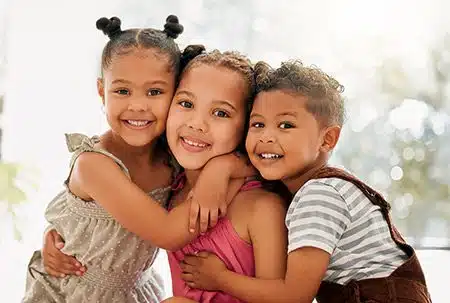 Research shows that adoption outcomes for older children are overwhelmingly positive, contrary to the negative stories that often capture media attention. According to Sharon Vandivere, a researcher with Child Trends, a nonpartisan Washington research group, these adoptions succeed far more often than many people realize.
However, older children do have additional needs and concerns that require understanding and preparation. They need time to adjust while learning about living in your home, and new cultural customs might also be part of the learning curve. The key to your success and your child’s positive experience lies in your patience and commitment to educating yourself as a parent.
Your responsibility as an adoptive parent is to be fully educated and prepared. This preparation will serve both you and your child well as you navigate the adjustment period together and build a strong foundation for your relationship.
Table of Contents
- Understanding the Adjustment Process
- Recognizing Individual Responses
- The Importance of Love Plus Education
- Essential Adoptive Parenting Tips for Success
- Adoptive Parenting Through the Honeymoon and Testing Phases
Understanding the Adjustment Process
Many experts agree that there are predictable phases in older child adoption. There’s often an initial “honeymoon” period where everything seems wonderful.
However, children who have had numerous homes will typically go through a “testing” period, where they test your loyalty and love by acting out and misbehaving to see if you, too, will “send them away.”
Being aware of these possibilities helps you respond appropriately and support your child through this challenging time. It’s also common for this testing behavior to reappear at different times, often triggered by specific situations, holidays, the arrival of new family members, or memories.

Recognizing Individual Responses
Every child’s adjustment process looks different. Some children will be clingy at first when they come home, while others will be distant and fearful. Some children show very little emotion, while others display inappropriate behaviors that need to be addressed immediately in private.
In many cases, children will internalize their feelings, and some may be fearful of saying or doing anything wrong due to past trauma or abuse.
The Importance of Love Plus Education
Many parents take the attitude that “love alone will heal it all.” However, if that were the case, many birth parents would not have needed to make an adoption plan in the first place.
While love is absolutely essential, it must be combined with education, patience, and skilled parenting to truly help your child heal and adjust to their new life.
Essential Adoptive Parenting Tips for Success
- Build a Support Network Before Your Child Arrives
Establish connections with other adoptive parents, friends, and professionals who can offer guidance and share their experiences with adopting older children, sibling groups, or children from different cultural backgrounds.
- Educate Yourself Thoroughly
Read extensively about international adoption, parenting older children, and caring for children who have experienced abuse or neglect. Knowledge and preparation are key to making the transition smoother for both you and your child. A few recommended books include The Connected Child: Bring Hope and Healing to Your Adoptive Family, Adopting Older Children: A Practical Guide to Adopting and Parenting Children Over Age Four, and Wisdom from Adoptive Families: Joys and Challenges in Older Child Adoption.
- Understand the “Honeymoon” and “Testing” Phases
Expect an initial period where everything seems wonderful, followed by a testing phase where your child may act out to see if you’ll abandon them like others may have done. This testing can reappear during holidays, stressful situations, or when new family members join.
- Gather as Much Background Information as Possible
Work with adoption workers, social workers, foster parents, and birth families to understand your child’s history. Understand that many birth parents might not want to share any abuse with you out of embarrassment or to save face. Don’t push the issue and be patient if information isn’t immediately available. Relationships may need time to develop before sensitive details are shared.
- Accept Your Child Unconditionally
Be prepared to support and love your child unconditionally, regardless of what you learn about their past. Remember that older children often come with more complex needs that require extra time, attention, and patience.
- Recognize Different Adjustment Behaviors
Some children will be clingy initially, while others may be distant and fearful. Some show little emotion, while others display inappropriate behaviors that need immediate, private attention.
- Remember That Love Alone Isn’t Enough
While love is essential, you must combine it with education, patience, and proper parenting skills to help your child heal and adjust truly. Many parents believe that “love alone will heal it all,” but if that were the case, many birth parents would not have needed to make an adoption plan in the first place.
- Be Trustworthy and Predictable
Tell the truth, keep your word, and be predictable. Guard your child’s personal business carefully and admit mistakes when you make them. Building trust takes time, especially if your child has previously experienced broken promises.
- Communicate Clear Expectations
Your household rules may be different from what your child experienced. Consider posting your schedule so everyone knows what to expect, but prepare for moments when flexibility is needed.
- Encourage Honest Communication
Let your child be honest without taking their words personally. Provide them with a safe space to share their thoughts and feelings without reacting as if you are hurt.
- Provide Safe Alone Time
Your child may need time to relax, have peace and quiet, or express emotions in private. Balance alone time with family bonding time.
- Let Them Be a Kid
Your child may have faced more responsibilities than other kids their age. Give them opportunities to express the needs or interests of a younger child, such as playing with toys typically designed for younger ages or seeking extra comfort.
- Serve Familiar Foods and Ensure Food Security
Have some of their favorite foods on hand and consider serving something familiar at every meal. For children with food insecurities, keep snacks readily accessible.
- Create a Comfortable Sleep Environment
Some children may never have slept in their own room. Consider temporary sleeping arrangements that help them feel safe, such as a cot by your bed initially.
- Be Open-Minded About Behaviors
Your child may have habits that seem odd or unacceptable. Don’t attempt to change every habit immediately. Prioritize relationship-building first, then address the most significant behaviors over time.
- Consider Professional Support
Depending on their age, incorporate various therapeutic approaches like play therapy, art therapy, or family therapy into your child’s routine.
- Verbally Express Love Daily
Tell your child every day that they are loved. Many older adopted children have never heard these words consistently from a parent figure.
- Prepare for Grief and Loss
Be prepared for children expressing grief over the losses they experience when they leave everything they know behind, including their previous ways of communicating and coping.
- Focus on Commitment Over Immediate Love
In the early years of an older child adoption, shift your focus from expecting immediate love and trust to demonstrating unwavering commitment.
- Get Support for Your Entire Family
Communicate with your closest friends and family about tangible ways they can support you, your new child, and your other children during the transition period.
Adoptive Parenting Through the Honeymoon and Testing Phases
The early education and preparation you invest in will make your lives together easier and more meaningful, bringing you closer in the bonding process. Don’t delay in becoming well-informed. Reading extensively and connecting with other adoptive families will serve your entire family well throughout this journey.
Remember that adopting an older child is a process that unfolds over time. Many experts, including myself, agree that there are predictable phases, from the initial honeymoon period to testing behaviors that may resurface during holidays, transitions, or when new family members join the household. Understanding these patterns helps you respond with compassion rather than frustration.
In many cases, children will internalize their feelings, and some may be fearful of saying or doing anything wrong due to past trauma. By gathering as much information as possible from adoption workers, social workers, foster parents, and birth families when appropriate, you can better understand and meet your child’s needs.
Every child’s adjustment process is unique. Some will be clingy at the beginning, while others may be distant and fearful. Some show very little emotion, while others display behaviors that need immediate attention. What remains constant is your need to accept your child unconditionally as your own, no matter what you discover about their past.
This guide is based on expertise from Mardie Caldwell, C.O.A.P., founder of Lifetime Adoption, along with recommendations from child welfare experts and adoption professionals.
For more information on adoption please contact Lifetime Adoption, or call (727) 493-0933.
Get More Info Now
If you live outside of the United States, please click here.

Lifetime Adoption, Inc. is a Licensed Child Placing Agency in Arkansas. (License AR #00050809)
Copyright © | Lifetime Adoption