
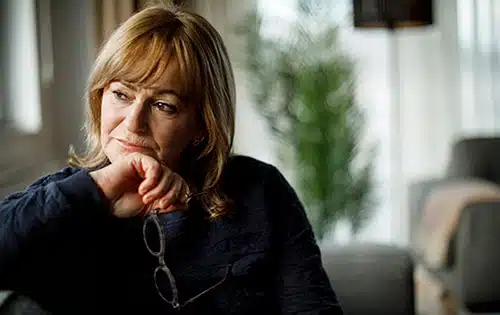
 “Dear Lifetime,
I never imagined I’d be in this situation. My daughter has struggled with substance abuse for the past three years, and after multiple attempts at treatment, she’s still unable to safely care for her two-year-old son, my grandson Jake. Because of her ongoing instability, the court granted me legal custody of Jake eighteen months ago.
I love Jake deeply, but at 68, living on Social Security and a small pension, I wake up exhausted every day. Caring for a toddler requires an energy level I simply don’t have, and I worry constantly about the future: school, activities, and everything he’ll need as he grows.
My health is also a concern. I have arthritis and high blood pressure, and my doctor has advised me to reduce stress. That feels nearly impossible at this stage of my life while raising a young child. I feel heavy guilt even asking this, but with legal custody, is adoption an option for me? Is it possible to place my grandchild for adoption? Would anyone understand why I’m considering this, or would they see it as abandonment?
I only want what’s best for Jake. I want him to have stable, young, energetic parents who can fully meet his needs now and in the years ahead. Is there a way to pursue adoption while still remaining part of his life?”
— A Worried Grandma
Birth Grand Parents and Adoption
We hear you, and we want you to know that you are not alone. Whether it’s because of a parent’s incarceration, death, mental health struggles, substance abuse, or abuse and neglect of the child, grandparents often step in out of love and necessity.
According to recent US Census data, millions of children in the United States are being raised by their grandparents or other relatives. While this arrangement works beautifully for some families, others find themselves overwhelmed by the physical, emotional, and financial demands of raising a child later in life.
The fact that you’re asking these questions doesn’t make you a bad grandparent. It makes you a thoughtful one who is putting your grandchild’s needs first.
We have helped many grandparents who want to consider an open adoption for their grandchild. Adoptive families are open to maintaining extended family relationships with them through open adoption. This is often the reassurance that birth grandparents need as they explore their options in adoption.
Table of Contents
- The Unique Challenges Grandparents Face
- When Adoption Becomes the Loving Choice
- Open Adoption: Maintaining Family Connections
- Choosing the Adoptive Parents
- Feelings of Separation and Loss
- Legal Considerations for Grandparents
- Responding to Family and Social Pressure
- The Adoption Process: What to Expect
The Unique Challenges Grandparents Face
Grandparents who take on the role of primary caregiver face a distinct set of challenges that differ from traditional parenting situations:
Physical and Health Considerations
Raising young children requires tremendous physical energy. Chasing after toddlers, carrying infants, managing active school-age children, and keeping up with teenagers all demand stamina that naturally decreases with age. Many grandparents are managing their own health conditions—arthritis, diabetes, heart disease, mobility issues—that make the physical demands of child-rearing particularly challenging.
Additionally, grandparents must consider their long-term health prospects. What happens if health conditions worsen? Who will care for the child if the grandparent becomes incapacitated or passes away before the child reaches adulthood?
Financial Strain
Many grandparents are living on fixed incomes from Social Security, pensions, or retirement savings carefully planned to last through their remaining years, not to support a growing child. The costs of raising a child include food, clothing, medical care, childcare, education, extracurricular activities, and countless other expenses that can quickly deplete retirement savings.
Some grandparents may still be working and find themselves unable to retire as planned. Others may need to return to work, which can be difficult in a job market that often favors younger workers.
Emotional Complexity
The emotional landscape for grandparents raising grandchildren is uniquely complicated. There’s often grief over the loss of the relationship with their own adult child, whether due to death, incarceration, addiction, or estrangement. There may be feelings of failure, wondering what they could have done differently as parents.
At the same time, many grandparents experience guilt about the natural resentment they feel. They may have been looking forward to retirement, travel, or simply the freedom that comes after raising their own children. The unexpected return to the demanding role of primary caregiver can feel like a loss of the future they had planned.
Social Isolation
Grandparents raising grandchildren often find themselves isolated from their peer groups. While their friends are enjoying retirement activities, travel, and freedom, they’re attending parent-teacher conferences and managing bedtime routines. They may not fit comfortably with younger parents at school events, yet they no longer have the same lifestyle as their retired peers.
When Adoption Becomes the Loving Choice
After carefully considering these challenges, some grandparents come to the difficult but loving conclusion that adoption may be the best path forward for their grandchild. This is not a decision made lightly, nor is it a failure. In many cases, it’s a profound act of love: recognizing that what’s best for the child may be placement with a younger family who has the resources, energy, and life stage to provide what the child needs.
Here are two tips for grandparents considering placing their grandchild for adoption.
#1: Identify your feelings.
Raising a child is a big job. Grandparents know; they’ve already done it! There are many positive emotions, such as love and joy, in seeing children grow and learn new things.
Starting over with a child you weren’t planning on raising later in life brings mixed emotions. You want to help your child and grandchild, but this may not be how you imagined your golden years. You may not have the energy or stamina to keep up with a growing child. And if you are on a fixed income, a child will definitely affect what you can do financially.
You may have other feelings, such as resentment, fear, stress, and anger. It can be hard to admit because it is your own family. It is important to acknowledge all the feelings you are experiencing, both positive and negative. Your feelings are an important part of the process as you consider whether you wish to be the primary parent for your grandchild for the long term.
Processing Complex Emotions
It’s essential to give yourself permission to feel the full range of emotions without judgment:
Love and attachment to your grandchild coexist with exhaustion and overwhelm. Both are valid.
Pride in stepping up for your grandchild can live alongside resentment over lost freedom. This doesn’t make you selfish.
Hope for your grandchild’s future can exist with grief over your own child’s struggles. These feelings don’t cancel each other out.
Relief at the thought of adoption doesn’t mean you don’t love your grandchild deeply.
Consider working with a counselor or therapist who specializes in family dynamics and adoption. Many adoption agencies, including Lifetime Adoption, can connect you with counseling resources to help you process these complex feelings.
#2: Identify what’s best for the child.
As a grandparent, it is likely that you didn’t expect to raise a baby at this stage in your life. Babies require a lot of physical, emotional, and financial resources, which can be overwhelming at times. Look ahead 5, 10, 15 years…the resources needed don’t diminish. In fact, they increase. Examine your resources, energy level, overall health, and help that you have.
Are you, at your current age and place in life, able to be the active parents that this child needs and deserves? Do you want to start over with Little League or dance? Can you afford the things you want for this child on a fixed income? Sometimes, after thinking through these things and processing them, birth grandparents decide that placing their grandchild with a young family in an open adoption is best.
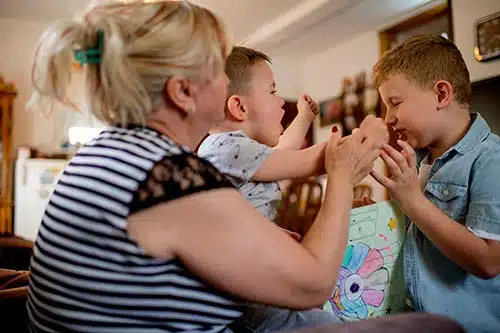
Creating a Future Vision
Consider these important questions as you think about your grandchild’s future:
Physical Activity and Engagement:
- Will you be able to participate in active play as the child grows?
- Can you physically handle the demands of sports practices, dance recitals, and school field trips?
- What will your mobility and health likely be when this child is a teenager?
Educational Support:
- Can you provide help with increasingly complex homework through high school?
- Are you able to research and navigate college applications and financial aid?
- Do you have the energy for the emotional ups and downs of adolescence?
Financial Planning:
- Can you afford not just day-to-day expenses, but also orthodontics, sports equipment, musical instruments, and school trips?
- Is there money set aside for college or vocational training?
- What happens to the child’s financial security if something happens to you?
Social and Emotional Needs:
- Will there be a significant generation gap that affects your grandchild’s sense of belonging?
- Can you relate to the challenges children face in today’s digital world?
- Is there extended family support, or will you be managing this alone?
Long-term Stability:
- What is your realistic life expectancy and health trajectory?
- Who would care for the child if you become unable to do so?
- Is it fair to the child to risk another significant disruption in their life?
The beauty of open adoption is that you can look at and talk to waiting parents before you decide to move forward. You can discuss what the future holds for ongoing contact and communication. You can ask, if you wish, to still be grandparents.
It’s common to feel as if you are failing your child and your grandchild. It’s good to remember that biology does not make a family; love does. Choosing adoption may be a choice to give your grandchild more than you are able to. And sometimes, it is simply the best option to place the child with a loving, ready, and active adoptive family.
Open Adoption: Maintaining Family Connections
An open adoption is a great option for birth grandparents. It is an option that gives the child a bright future full of love and opportunity for success while maintaining contact.
Open adoptions allow you to keep in contact with your grandchild after the adoption takes place. This requires an agreement with the adoptive family, and we’ve seen it work quite well for many years.
In open adoptions, grandparents can remain involved in the child’s life and possibly continue investing in their growth and development. Open adoptions are incredibly beneficial for this reason, and they also give adoptive families a way to stay up to date on their adoptive child’s medical and family history, should any questions or issues arise.
What Open Adoption Can Look Like for Grandparents
Every open adoption is unique, tailored to the needs and wishes of everyone involved. For grandparents placing a grandchild, open adoption might include:
Regular Communication:
- Photos and updates about the child’s milestones and everyday life
- Video calls on birthdays or holidays
- Letters and cards exchanged throughout the year
- Email or text updates about school achievements and activities
In-Person Contact:
- Annual or semi-annual visits
- Attendance at special events like graduations or performances (when appropriate)
- Holiday gatherings or birthday celebrations
- Park playdates or casual meetups
Ongoing Relationship:
- Being known to the child as their biological grandparent
- Sharing family history, heritage, and stories
- Providing medical and genetic information as needed
- Remaining a loving presence in the child’s extended family network
The specific arrangements are negotiated between you and the adoptive family, with the understanding that everyone’s primary focus is the child’s well-being and stability.
Choosing Adoptive Parents
One of the most empowering aspects of open adoption is that you, as the placing grandparent, have a significant voice in choosing your grandchild’s adoptive family. You can review family profiles and consider factors such as:
- Family values and parenting philosophy
- Activity level and lifestyle
- Geographic location
- Openness to maintaining grandparent relationships
- Financial stability and educational opportunities that they can provide
- Religious or cultural considerations
- Presence of other children in the home
You can meet with prospective families, ask questions, and get a genuine sense of whether they’re the right fit for your grandchild. This isn’t a decision made by agency staff alone. You are an active participant in this life-changing choice.
Feelings of Separation and Loss
Birth grandparents who choose to place their grandchild for adoption, giving the baby a chance at a new life, will still likely experience feelings of grief, separation, and loss. It is normal to mourn not being able to raise the child and not being able to experience every day and phase of life with them.
However, understand that a choice for open adoption gives grandparents a deeper sense of peace because they know they can still stay in touch through visits, phone calls, and more.
Navigating Grief and Healing
The grief that comes with placing a grandchild for adoption is real and deserves recognition. You may experience:
Anticipatory grief even before the adoption is finalized, mourning the daily presence of your grandchild in your life.
Complicated grief that’s intertwined with other losses—the loss of your relationship with your adult child, the loss of your envisioned future, the loss of your role as primary caregiver.
Waves of sadness that come unexpectedly, triggered by milestones, holidays, or everyday moments.
Second-guessing and doubt, wondering if you made the right decision, even when you know rationally that you did.
These feelings don’t mean you made the wrong choice. They mean you love your grandchild deeply. Grief is the price we pay for love, and working through it is an essential part of the healing process.
Resources that can help:
- Individual therapy with a counselor experienced in adoption-related grief
- Support groups for grandparents who have placed grandchildren for adoption
- Post-adoption counseling services, provided through your adoption agency
- Journaling and other creative outlets for processing emotions
- Maintaining the open adoption relationship, which can provide comfort and reassurance
Legal Considerations for Grandparents
Before moving forward with an adoption plan, it’s important to understand the legal landscape:
Parental Rights
If your grandchild’s biological parents still have legal parental rights, those rights generally must be terminated before an adoption can proceed. This can happen through:
- Voluntary relinquishment by the parents
- Court-ordered termination due to abandonment, abuse, neglect, or unfitness
- If a parent is deceased, their rights are already terminated
As a grandparent, you typically cannot place a grandchild for adoption without addressing the legal rights of the biological parents, unless you have been granted full legal custody with the right to consent to adoption.
Your Legal Standing
Your ability to make adoption decisions depends on your legal relationship to the child:
- Legal guardian: You may have some ability to make adoption decisions, depending on the terms of your guardianship
- Temporary custody: You likely cannot consent to adoption without parental involvement
- Foster parent (kinship care): The state typically retains legal custody, and adoption decisions may involve child welfare authorities
- Full legal custody with adoption rights: You can generally proceed with adoption planning
An experienced adoption attorney can review your specific situation and advise you on the necessary legal steps.
Interstate and State-Specific Issues
Adoption laws vary significantly by state. If you and the prospective adoptive family live in different states, the Interstate Compact on the Placement of Children (ICPC) will apply, adding additional requirements and timelines to the process.
Working with a licensed adoption agency like Lifetime Adoption ensures that all legal requirements are properly handled, protecting everyone’s interests, especially your grandchild’s.
Responding to Family and Social Pressure
One of the most difficult aspects of considering adoption as a grandparent is managing others’ reactions and opinions. You may face:
Judgment from family members who believe you should keep raising the child regardless of the challenges.
Criticism from friends or community members who don’t understand the full complexity of your situation.
Guilt induced by others who question your love for your grandchild.
Cultural or religious pressures that emphasize family obligation above all else.
Setting Boundaries
Remember that this is ultimately your decision, made out of love for your grandchild and a realistic assessment of what’s best for them. You don’t owe anyone a detailed explanation or justification. Consider these approaches:
- “This was an incredibly difficult decision made with my grandchild’s best interests as the top priority.”
- “I’ve consulted with professionals and carefully considered all options.”
- “I appreciate your concern, but this is a private family matter.”
- “My grandchild will still be part of my life through open adoption.”
Surround yourself with supportive people who understand the complexity of your situation and respect your decision-making ability.
The Adoption Process: What to Expect
If you decide to move forward with placing your grandchild for adoption through Lifetime Adoption, here’s an overview of what the process typically involves:
Initial Consultation
You’ll speak with an experienced adoption coordinator who will:
- Listen to your situation without judgment
- Explain your options and the adoption process
- Answer your questions about open adoption
- Discuss any legal considerations specific to your case
- Connect you with counseling resources if desired
Reviewing Family Profiles
Once you decide to proceed, you’ll have access to profiles of waiting adoptive families. You can review these at your own pace, considering which families align with your hopes for your grandchild’s future.
Meeting Prospective Families
When you’ve identified families that interest you, you can arrange to speak with them by phone or video call, or even meet in person. This gives you the opportunity to:
- Ask questions about their parenting style and values
- Discuss your vision for open adoption
- Get a sense of their personalities and lifestyle
- See if there’s a connection and mutual understanding
Creating an Adoption Plan
Working with your adoption coordinator, you’ll develop a plan that addresses:
- The level and type of openness you desire
- Communication preferences (photos, calls, visits)
- Timeline and logistics
- Your role during any transition period
- Post-adoption contact agreements
Legal Process
The agency will work with attorneys to ensure all legal requirements are met, including:
- Addressing biological parents’ rights if necessary
- Obtaining required consents
- Filing necessary paperwork with the court
- Finalizing the adoption
Placement and Transition
The actual placement will be handled with sensitivity to your grandchild’s needs, especially if they’re old enough to understand what’s happening. The agency can help facilitate a smooth transition that minimizes trauma and supports the child’s adjustment.
Post-Adoption Support
Your relationship with Lifetime Adoption doesn’t end when the adoption is finalized. Post-adoption services include:
- Ongoing counseling if needed
- Support in maintaining the open adoption relationship
- Resources for navigating grief and adjustment
- Mediation if any issues arise with the adoptive family
You Are Not Alone
Choosing adoption is a selfless decision that requires bravery. If you have decided to move forward with an open adoption with a family outside your home, our caring and experienced team of adoption coordinators can help.
Lifetime Adoption’s expert, caring, and experienced adoption coordinators will gladly answer your questions and talk through your feelings with you so you can ensure you are making the right choice.
We’re happy to work with birth grandparents and birth families from all walks of life. We understand that you are making a choice that is best for your grandchild’s health and well-being. We are here to provide adoption support.
Every situation is unique, and there are no easy answers. What matters most is that you’re approaching this decision with love, honesty, and your grandchild’s best interests at heart. Whether you ultimately decide to continue raising your grandchild or to create an adoption plan, you deserve support and understanding.
Moving Forward with Peace
Whatever you decide, know that you’ve already demonstrated tremendous love by:
- Taking in your grandchild when they needed you
- Recognizing the challenges honestly rather than denying them
- Putting your grandchild’s long-term needs ahead of your own comfort
- Seeking information and support to make the best decision possible
- Remaining committed to your grandchild’s well-being
There is no shame in acknowledging that you cannot be everything this child needs for the next 15 or 20 years. There is only courage, wisdom, and love.
To speak with a compassionate adoption specialist, contact Lifetime Adoption agency today. We’ll discuss adoption plans, building a relationship with adoptive families, and so much more. We’re just a phone call or a text message away, at 1-800-923-6784.
Your grandchild is blessed to have someone who loves them enough to make difficult decisions on their behalf. Whatever path you choose, we’re here to support you every step of the way.
Editor’s Note: This article was originally published on November 6, 2020, and has since been updated.
As Vice President of Lifetime Adoption, Heather Featherston holds an MBA and is passionate about working with those facing adoption, pregnancy, and parenting issues. Heather has conducted training for birth parent advocates, spoken to professional groups, and has appeared on television and radio to discuss the multiple aspects of adoption. She has provided one-on-one support to women and hopeful adoptive parents working through adoption decisions.
Since 2002, she has been helping pregnant women and others in crisis to learn more about adoption. Heather also trains and speaks nationwide to pregnancy clinics to effectively meet the needs of women who want to explore adoption for their child. Today, she continues to address the concerns women have about adoption and supports the needs of women who choose adoption for their child.
As a published author of the book Called to Adoption, Featherston loves to see God’s hand at work every day as she helps children and families come together through adoption.




0 Comments