
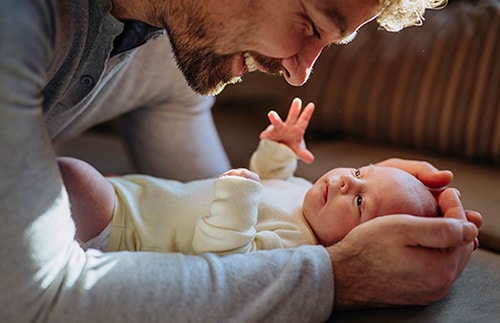
 Yes, adoptive fathers are entitled to paternity leave under the Family and Medical Leave Act (FMLA), the same federal protection that covers biological parents. There’s no separate “adoption leave” law, but if you work for a covered employer and meet FMLA’s eligibility requirements, your job is protected while you take time to bond with your newly adopted child.
Since 2002, when California passed the nation’s first paid parental leave law, paternity leave has become far more common. Today, both states and individual companies are recognizing that fathers, whether through birth or adoption, need dedicated time to bond with their newborn or newly placed child. Read on to learn what your rights are, why this time matters so much, and how to make the most of it.
Do You Get Paternity Leave for Adoption?
In short: yes. Adoptive families are protected under the FMLA, even though no law is written specifically for adoption leave. That means eligible fathers can take unpaid, job-protected time off to bond with their child, and some employers go further by offering paid paternity leave as part of their benefits package.
This isn’t legal advice. FMLA eligibility depends on your employer’s size, your length of employment, and your state’s specific laws, so confirm the details with your HR department before you plan your leave.
Why Is Paternity Leave So Important for Adoptive Fathers?
Paternity leave for adoption gives new adoptive fathers the ability to give their children the care they need and the time to adjust to their new family dynamic. Bonding with your baby isn’t just a joy. It’s an important part of building a solid foundation for your family to grow and thrive together.
Years ago, it was common for only the new mom to take parental leave, but not the dads. Now we know how important it is for a new father to have that same time to bond with his baby.
Paid parental leave for fathers provides a real advantage to working families, and that advantage applies just as much to families formed through adoption.
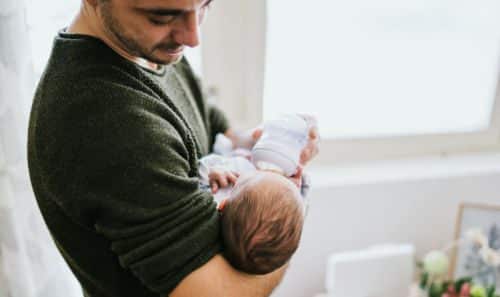
What Are the Benefits of Father-Baby Bonding?
Research shows a clear connection between a father’s leave, his involvement, and his child’s development.
Studies show that when fathers spend time at home after a baby’s birth, they tend to become more involved with their child. That involvement is associated with a stronger relationship and better teamwork between parents.
Other studies conducted across Denmark, the United Kingdom, the United States, and Australia found that fathers who take two or more weeks of leave are more likely to stay involved in childcare as their children grow. Plus, children with highly involved fathers tend to perform better on cognitive assessments.
The bond you build during those early days can impact your child for a lifetime.
What Are the Most Effective Bonding Techniques?
Skin-to-skin contact is one of the best ways to bond. Place your baby, dressed in just a diaper, against your bare chest. It’s soothing for both of you.
Babywearing works well too. Use a front carrier or sling, not only when you’re out and about but at home as well. Your baby will feel safe and cuddled, and you’ll have your hands free.
Talk and read to your baby while you hold them close. As your child grows, add age-appropriate books about adoption to that routine.
Play together. Whether it’s toys or lifting them in the air, there’s nothing like the sound of your baby’s laughter.
How to Advocate for Paternity Leave With Your Employer
Today, nine out of ten fathers take some time off work for the adoption of their child. But unfortunately, seven in ten take ten days or less. Before your child’s placement, check in with your employer to understand their parental leave policy, since your company’s policy determines whether your leave is paid and how long it lasts. Your state’s Employment Development Office can also tell you about laws specific to where you live.
If you can’t take extended leave, focus on making the most of your time at home. Let some chores wait. It’s more important to bond with your baby than to mow the lawn right now.
For a full breakdown of your rights under FMLA, including eligibility requirements and how adoption leave compares to maternity leave, see our guide to parental leave for adoption.
Frequently Asked Questions
Do you get paternity leave for adoption?
Yes. Adoptive fathers are protected under the FMLA, which guarantees eligible employees job-protected leave to bond with a newly adopted child. The FMLA doesn’t require paid leave, but many employers choose to offer it as part of their benefits.
How long is paternity leave for adoption?
Under the FMLA, eligible employees can take up to 12 weeks of leave within the first 12 months after their child’s placement. Some employers offer shorter or longer paid leave on top of this federal protection, so check your company’s specific policy.
Is paternity leave for adoption paid or unpaid?
The FMLA guarantees unpaid, job-protected leave. Whether you’re paid during that time depends entirely on your employer’s policy. Some companies offer full or partial pay for adoptive parents, while others don’t.
Who qualifies for paternity leave under the FMLA?
You’re eligible if you work for a covered employer (generally companies with 50 or more employees, plus public agencies and schools), have worked at least 1,250 hours in the past year, and have been with your employer for at least 12 months.
Can adoptive fathers take leave before placement?
Yes. Adoptive fathers sometimes use FMLA leave before placement for adoption-related needs, such as attending court appearances, counseling sessions, or meetings with the attorney representing the birth parent.
Editor’s Note: This article was originally published on September 22, 2021, and has since been updated.
Founder of Lifetime Adoption, adoptive mom, adoption expert, and Certified Open Adoption Practitioner (C.O.A.P).
Since 1986, adoption expert Mardie Caldwell has been dedicated to bringing couples and birth parents together in order to fulfill their dreams.
“Many years ago, I was also searching for a child to adopt. We didn’t know where or how to get started. Through research, determination, and a prayer, our dream of a family became reality. I started with a plan, a notebook, assistance from a caring adoption consultant and a lot of hard work; this was my family I was building. We had a few heartaches along the way, but the pain of not having children was worse!
Within weeks we had three different birth mothers choose us. We were overwhelmed and delighted. Many unsettling events would take place before our adoption would be finalized, many months later. Little did I know that God was training and aligning me for the adoption work I now do today. It is my goal to share with our families the methods and plans which succeed and do not succeed. I believe adoption should be affordable and can be a wonderful “pregnancy” for the adoptive couple.
I have also been on both sides of infertility with the loss of seven pregnancies and then conceiving by new technology, giving birth to a healthy daughter. I have experienced first-hand the emotional pain of infertility and believe my experience allows me to serve your needs better.
It is my hope that for you, the prospective parents, your desire for a child will be fulfilled soon.”


0 Comments